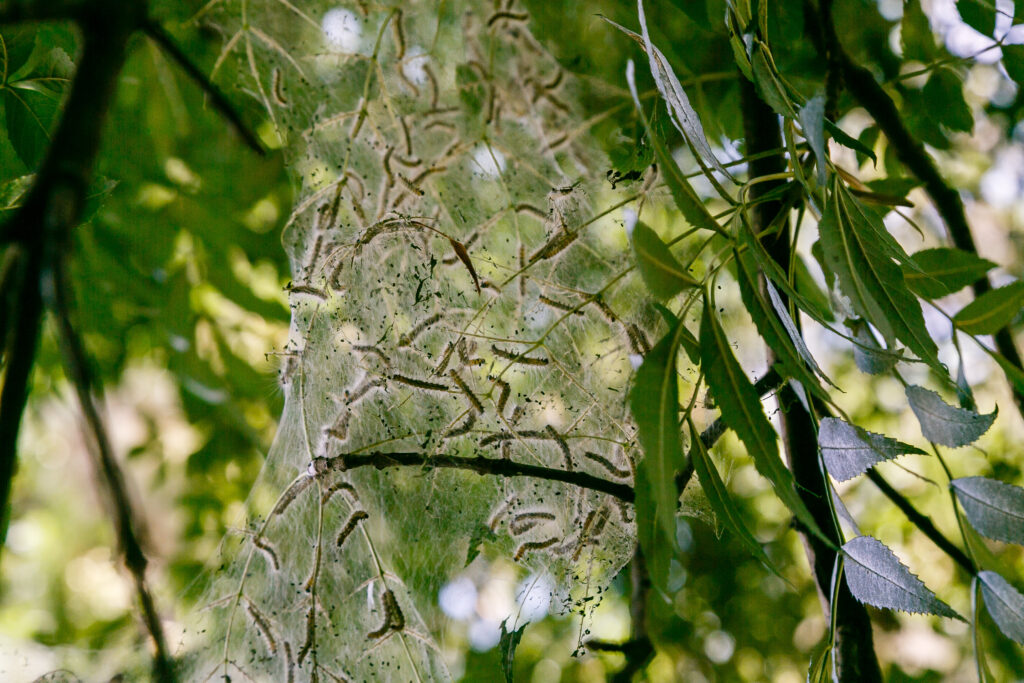
Oak processionary moth (OPM) has become an increasing concern across parts of southern England, posing risks not only to oak trees but also to people and animals. If you have noticed unusual caterpillars on an oak tree or are concerned about tree health on your property, understanding oak processionary moths is essential.
At Essex Tree Brothers, we regularly advise property owners, land managers, and commercial clients on tree health issues, including oak processionary moth infestations. Here is everything you need to know.
What Is Oak Processionary Moth?
Oak processionary moth (Thaumetopoea processionea) is an invasive species that feeds on oak trees. The caterpillars emerge in spring and spend much of their lifecycle feeding on oak leaves before eventually developing into adult moths.
The species gets its name from the way the caterpillars move together in distinctive nose-to-tail processions along tree trunks and branches. These processions can contain dozens or even hundreds of caterpillars.
While the damage caused to healthy oak trees is often recoverable, repeated infestations can weaken trees, making them more vulnerable to disease, drought, and other environmental stresses.
Perhaps more concerning is the threat the caterpillars pose to human and animal health. Their bodies contain thousands of tiny hairs which can cause skin irritation, respiratory problems, and allergic reactions.
What Does an Oak Processionary Moth Look Like?
The adult oak processionary moth is relatively small and can be difficult to identify. It typically has:
• Greyish-brown wings
• A wingspan of approximately 25 to 35mm
• Pale markings across the forewings
• A generally inconspicuous appearance similar to many native moth species
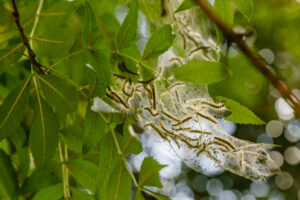
However, the caterpillars are usually much easier to identify. Oak processionary moth caterpillars are:
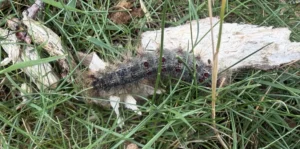
• Dark grey to black in colour
• Covered in long white hairs
• Often found moving in long procession-like lines
• Commonly seen clustered around silk nests on oak trees
The nests are usually found on trunks or larger branches and appear as white, web-like structures.
Where Do Oak Processionary Moths Come From?
Oak processionary moths are native to central and southern Europe. The species was first discovered in the UK in 2006, most likely arriving through imported oak trees used in landscaping and development projects.
Since then, populations have become established across parts of southern England, particularly in areas surrounding London and the South East.
The moth continues to spread naturally as adult moths fly between locations, although movement of infested plant material can also contribute to new outbreaks.
Due to the risks posed by the species, oak processionary moth is subject to monitoring and management by government agencies and local authorities. Further detail on current management zones and legal responsibilities can be found on the government guidance page for managing oak processionary moth in England.
How to Get Rid of Oak Processionary Moth
If you are wondering how to get rid of oak processionary moth, the most important advice is not to attempt removal yourself.
The caterpillars’ toxic hairs can become airborne when disturbed and may cause:
- Skin rashes and irritation
- Eye irritation
- Sore throats and breathing difficulties
- Allergic reactions in people and pets
For this reason, professional assessment and treatment are strongly recommended.
Depending on the severity of the infestation, management options may include targeted nest removal by trained specialists, application of approved biological treatments during specific stages of the caterpillars’ lifecycle, and ongoing monitoring to identify future activity.
In some cases, affected areas may need to be temporarily restricted to protect public safety while treatment takes place.
At Essex Tree Brothers, we can assess oak trees for signs of infestation and advise on the most appropriate course of action.
Want to Learn More About Oak Processionary Moth?
Read our expert guide explaining how to get rid of Oak Processionary Moth safely, why you should never attempt DIY removal, and the professional methods used to control and remove OPM infestations.
Why Early Detection Matters
The earlier oak processionary moth is identified, the easier it is to manage.
Regular tree inspections can help detect nests, caterpillar activity, and signs of defoliation before infestations become more widespread. This is particularly important for schools, parks, housing developments, commercial sites, and public spaces where people regularly come into contact with trees.
Professional tree surveys and inspections can help identify potential issues before they become significant health and safety concerns.
What to Do If You Spot Oak Processionary Moth
If you believe you have spotted oak processionary moth caterpillars or nests on your property, avoid touching them and seek professional advice immediately.
Essex Tree Brothers provide expert tree inspections, tree surveys, and arboricultural advice across Essex. Our experienced team can assess tree health concerns, identify potential infestations, and recommend the most effective management solutions to keep your trees and site safe.
Concerned about oak processionary moth on your property?
Contact Essex Tree Brothers today for a free consultation.
⚠ Do Not Attempt Oak Processionary Moth Removal Yourself
Oak Processionary Moth caterpillars and nests contain toxic hairs that can pose a serious risk to people and pets. Let our experienced team assess the situation safely and carry out professional removal using the correct specialist equipment.